Screen and Recoat Hardwood Floors in South Bend, IN
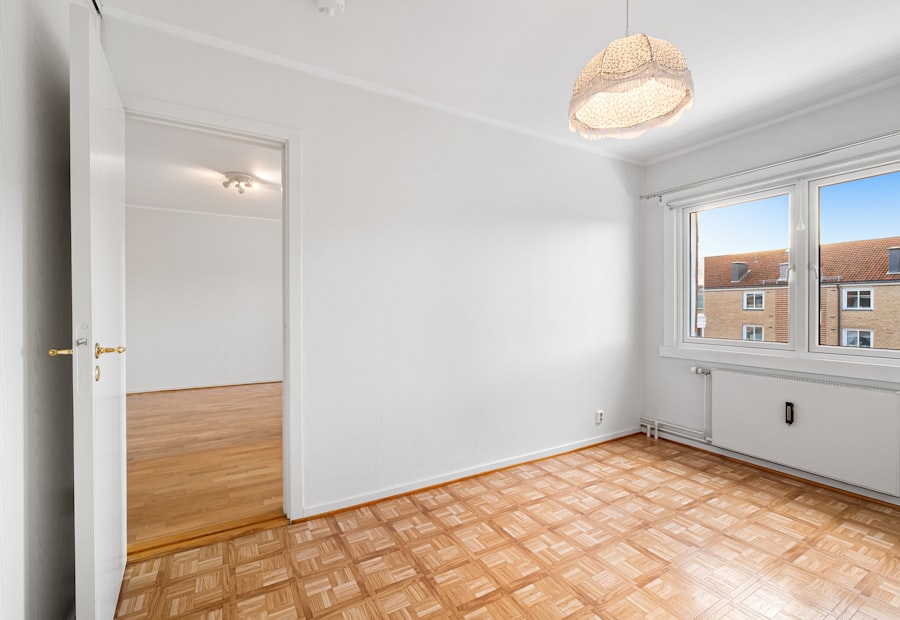
A screen and recoat is the job most South Bend rental floors actually need, and the one most owners have never heard of. It costs about half what a sanding costs, it takes a single day, and it removes no wood at all.
What It Is
A buffer fitted with an abrasive screen abrades the existing layer of polyurethane. It does not touch the wood underneath. That scuffed surface gives fresh finish something to bond to, and one or two coats go down over it. The floor is sealed again, the wear paths are gone, and the boards are exactly as thick as they were that morning.
Why It Fits South Bend Specifically
Nearly four in ten homes in South Bend are rented, and rental floors take a particular kind of damage: concentrated scratching in the traffic paths, and finish left to go too long because nobody owned the problem for long enough to fix it. Both of those live in the finish rather than in the wood.
That is precisely the case a recoat is designed for. It also fits the constraint that actually governs the work, which is the gap between one tenant leaving and the next arriving. A sanding is two to three days plus dry time. A recoat is one day.
When It Will Not Work
Bare wood showing through in the traffic paths. Grey or black staining, which means water or urine reached the wood. Deep gouges. Any floor that has been waxed, because polyurethane will not bond over wax and the coat will peel. All of these need a full sand and refinish, and we will say so rather than sell you a coat that fails in a year.
The Long Game on an Older Floor
Roughly 40% of South Bend's housing predates 1950. A solid floor takes three to five sandings across its whole life, and in a house that old a good share of that has already been spent by previous owners. Recoating on a cycle instead of sanding is how a floor survives another few decades of tenancies rather than being sanded out of existence.
What It Costs
$1.50 to $3 per square foot. A 250 square foot room runs $375 to $750. A 1,200 square foot house runs $1,800 to $3,600. Against $3 to $6 per square foot for a full sanding. Grouping multiple units brings the per-unit price down.
How do I know if a recoat will work?
Run a fingernail across the worst wear path. If it catches on bare wood, or you can see grey or black in the grain, the finish has failed and it needs a full sand. If the surface is dull and lightly scratched but still sealed, a recoat will hold. We check this at the free estimate.
Can you do it inside a turnaround window?
Usually yes. A recoat is a single day and you can walk on it in socks the same evening. Tell us the move-in date when you call and we will tell you honestly whether it works before you book it.
Why not just sand it every time?
Because a solid floor only has three to five sandings in it across its entire life, and each one takes wood you cannot put back. Sanding at every second tenancy spends that budget inside a decade. Recoating removes nothing, so the floor is still there in twenty years.
Will it fix scratches?
Surface scratching in the finish, yes, that is exactly what it fixes. Gouges that have gone into the wood, no. Those need filling or board replacement first, and at that point you are usually looking at a full refinish for that room.
What if the floor was waxed?
Then a recoat will fail. Polyurethane does not bond over wax and it will peel within months. We solvent-test a hidden area before quoting, and if it comes back waxed we will tell you rather than take the job.
Can you do several units at once?
Yes, and it is cheaper per unit if you can group them. Most of the cost of a small job is mobilisation, so three units in the same week costs meaningfully less than three units across three months.